
Advanced Lighting Techniques: Mastering Shadows and Reflections in AI Art
In digital imaging, light is the element that defines form, depth, and realism. In AI prompt engineering, understanding the physics of light allows you to move away from flat, artificial renders toward cinematic quality. At FactorPrompt, we believe that learning to direct virtual light is as important as the subject itself.
1. Volumetric Light and Atmospheric Effects
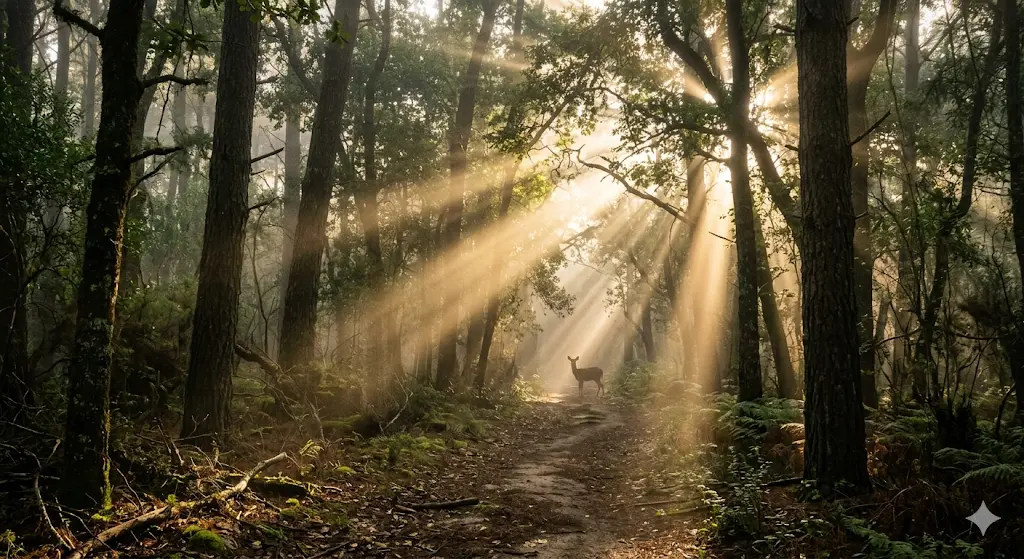
Volumetric lighting, often called “God Rays,” occurs when light passes through a medium like dust, fog, or smoke. This adds an incredible sense of scale and drama to any image. To achieve this in your prompts, use keywords such as “Tyndall effect,” “Volumetric fog,” or “Sunbeams through window.” This technique is particularly effective for interior architecture and mystical landscapes.
2. Ray Tracing and Complex Reflections
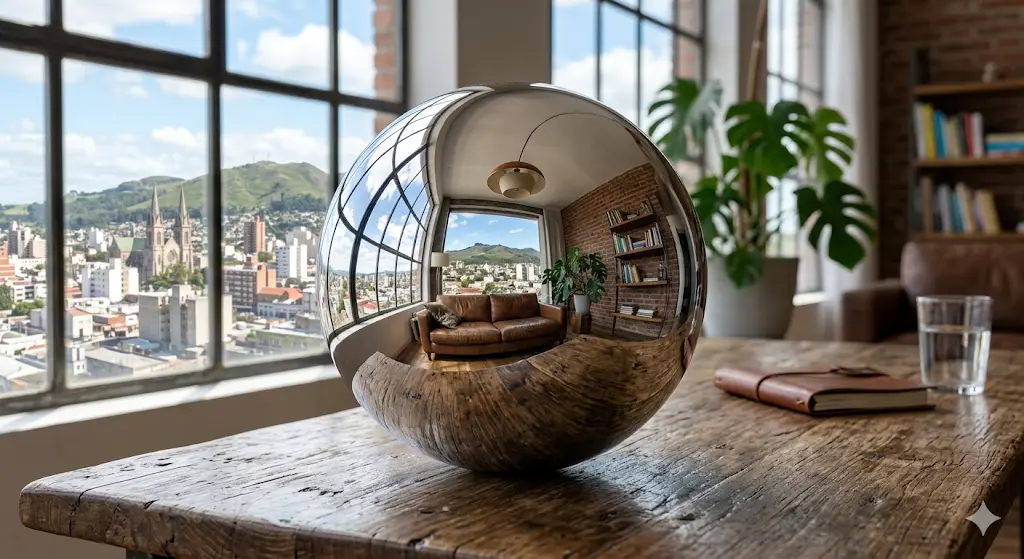
One of the hardest things for AI to calculate naturally is the reflection on curved or metallic surfaces. By explicitly calling for “Ray-traced reflections” or “Refractive index,” you force the engine to prioritize the accuracy of how light bounces off materials like chrome, water, or glass. Adding “Global Illumination” ensures that colors from the environment bleed naturally onto your subject.
3. Soft vs. Hard Shadows: Controlling the Mood
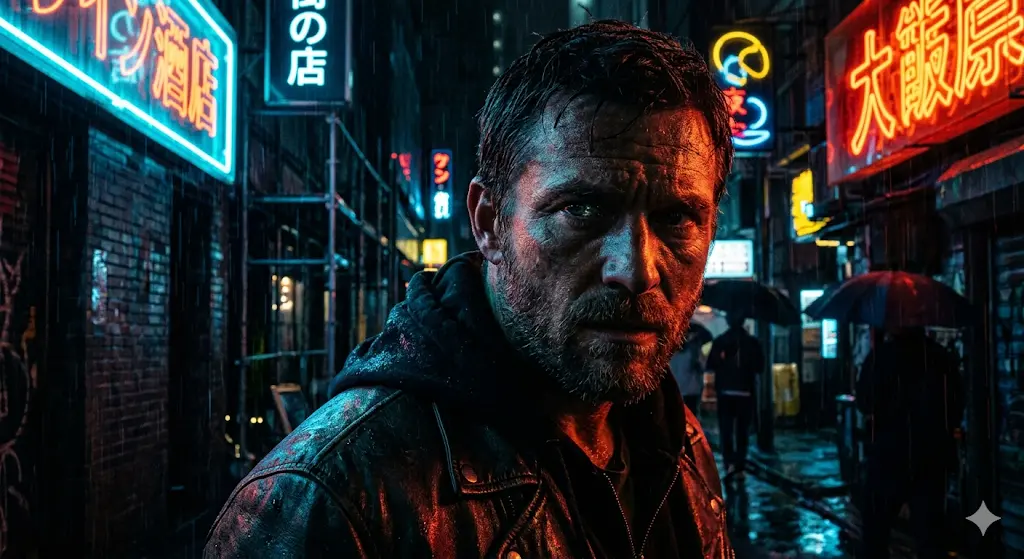
The quality of your shadows dictates the “mood” of your art. Soft shadows (created by large light sources) feel inviting and natural, while hard shadows (created by small, intense light sources) feel aggressive and dramatic. Use terms like “Softbox lighting” for high-end portraits and “Harsh midday sun” or “High contrast” for bold, noir-style imagery.
4. Color Temperature and Kelvin Scales
Light has a temperature, and AI models understand this technical language. To get precise results, you can use Kelvin values in your prompts. For a warm, candlelight feel, mention “Warm light, 2700K.” For a neutral, clean office look, use “Daylight, 5500K.” Mastering color temperature ensures your images align with the emotional tone of your creative vision.
Mastering light is a continuous journey of observation. By combining these technical terms, you gain the power to illuminate your digital creations with absolute precision. Continue exploring our expert resources to elevate your skills and dominate the art of prompting!