
Architectural Visualization: Mastering Interior and Exterior AI Design
Architectural Visualization (ArchViz) has been revolutionized by AI. What used to take days of rendering can now be visualized in seconds. However, to create professional-grade architectural renders at FactorPrompt, you must understand how to communicate structural materials, lighting, and environmental context to the AI engine.
1. Defining Structural Styles and Materials
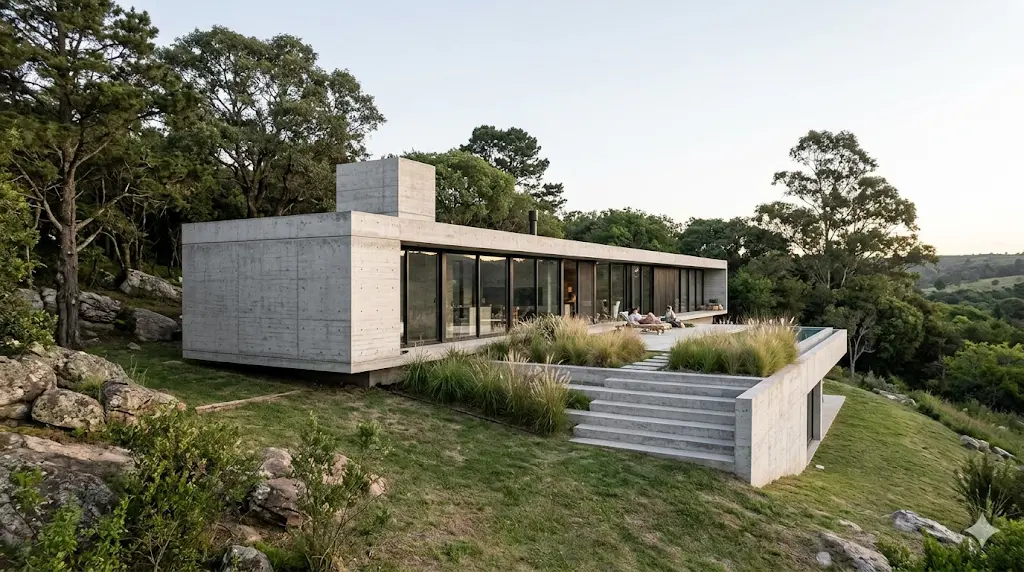
The foundation of a great architectural prompt is the specific mention of materials and styles. Instead of “modern house,” use technical terms to define the texture and era. For example, “Brutalist architecture” will introduce raw concrete and bold geometries, while “Mid-century modern” will focus on organic shapes and integration with nature.
- Material Precision: Use keywords like “Exposed aggregate concrete,” “Polished Carrara marble,” or “Sustainable timber cladding” to give the AI specific texture cues.
- Structural Elements: Mentioning “Cantilevered roofs,” “Floor-to-ceiling glass walls,” or “Open-concept layouts” helps define the building’s silhouette.
2. Interior Design: Lighting and Human Centric Spaces
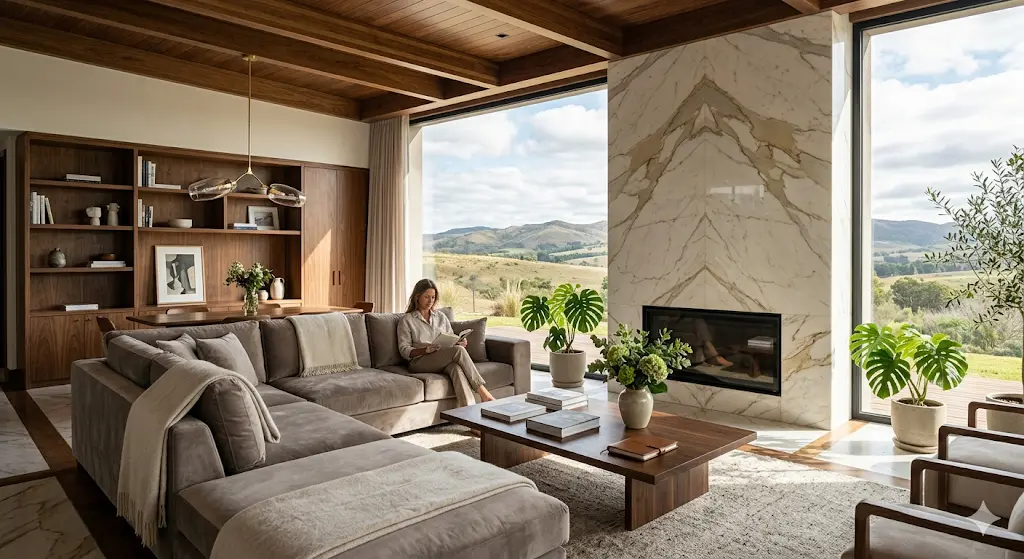
In interior visualization, the relationship between light and shadow is everything. To achieve a realistic interior, focus on Global Illumination. Use prompts that describe how light enters the space, such as “Soft morning light filtering through linen curtains” or “Recessed warm LED lighting.” This creates a sense of depth and livability in the render.
3. The Importance of Environment and Context
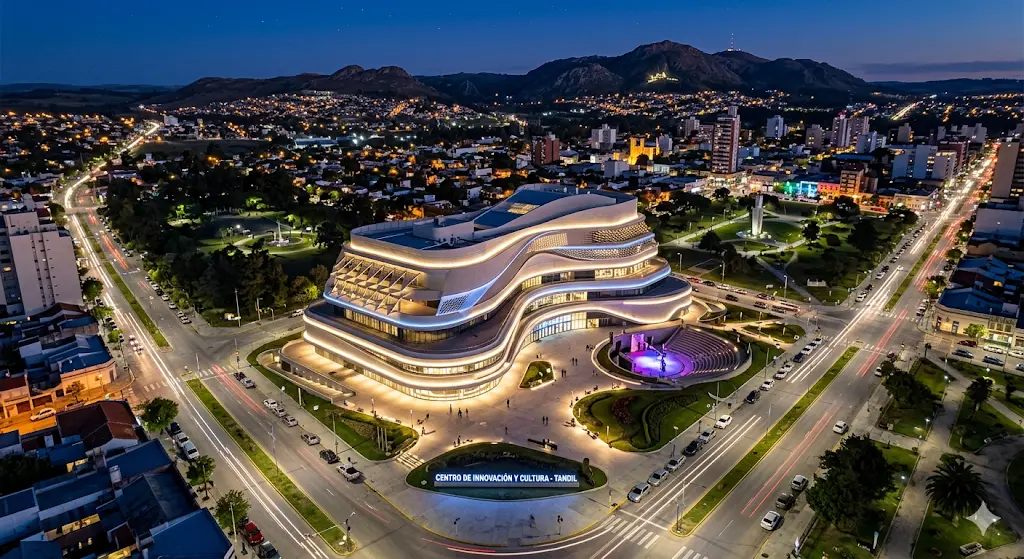
Architecture doesn’t exist in a vacuum. A professional render must include a detailed environment. Whether it is a “Lush tropical garden backdrop” or a “Foggy Scandinavian forest,” the context provides the reflections and color bleeding that make the building look like it truly belongs in its setting.
4. Technical Rendering Modifiers
To ensure your ArchViz looks like a professional photograph from a magazine like Architectural Digest, add rendering-specific keywords. Terms like “Photorealistic 8k render,” “Unreal Engine 5 style,” “V-Ray lighting,” and “Ray-traced ambient occlusion” are vital for achieving that sharp, non-synthetic finish.
Mastering Architectural Visualization with AI is about bridging the gap between engineering and art. By using these technical descriptors, you can create immersive spaces that inspire. Explore our specialized ArchViz categories to refine your prompting skills!