
From Renaissance to Cyberpunk Aesthetics
One of the most powerful features of modern AI engines is their deep understanding of art history. By invoking specific artistic movements, creators can move beyond generic digital renders and produce images with historical weight, emotional depth, and sophisticated aesthetics.
1. The Classical Influence: Renaissance and Baroque
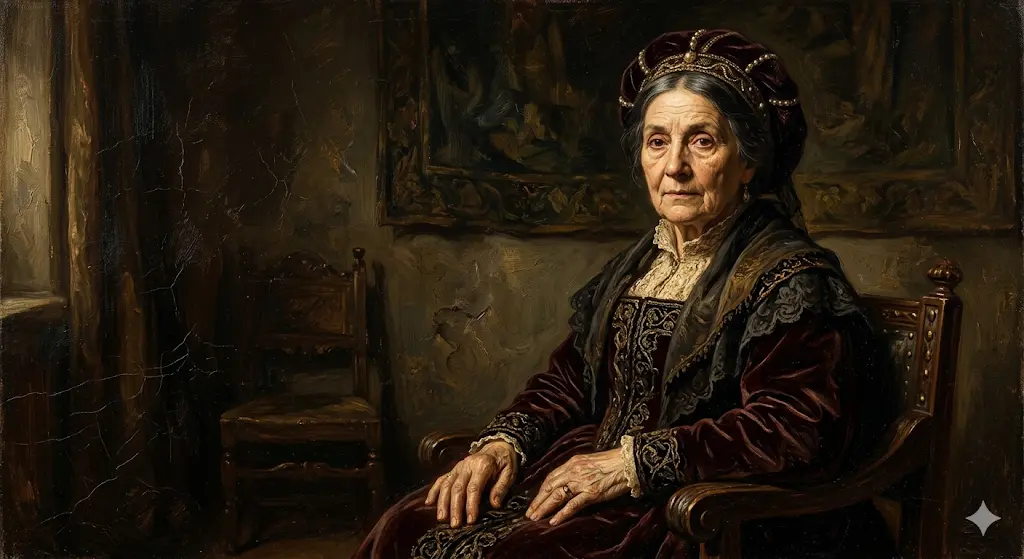
To achieve a timeless, high-end look, referencing the Renaissance is key. This movement focuses on symmetry, human anatomy, and naturalism. At FactorPrompt, we recommend using specific techniques in your prompts to capture this era:
- Sfumato: A technique used by Leonardo da Vinci to create soft, hazy transitions between colors and tones.
- Chiaroscuro: The use of strong contrasts between light and dark to give a sense of volume and drama (typical of Caravaggio).
- Oil Painting Texture: Specify “Canvas texture” or “Heavy impasto strokes” to avoid a perfectly smooth digital look.
2. Surrealism: Pushing the Boundaries of Reality
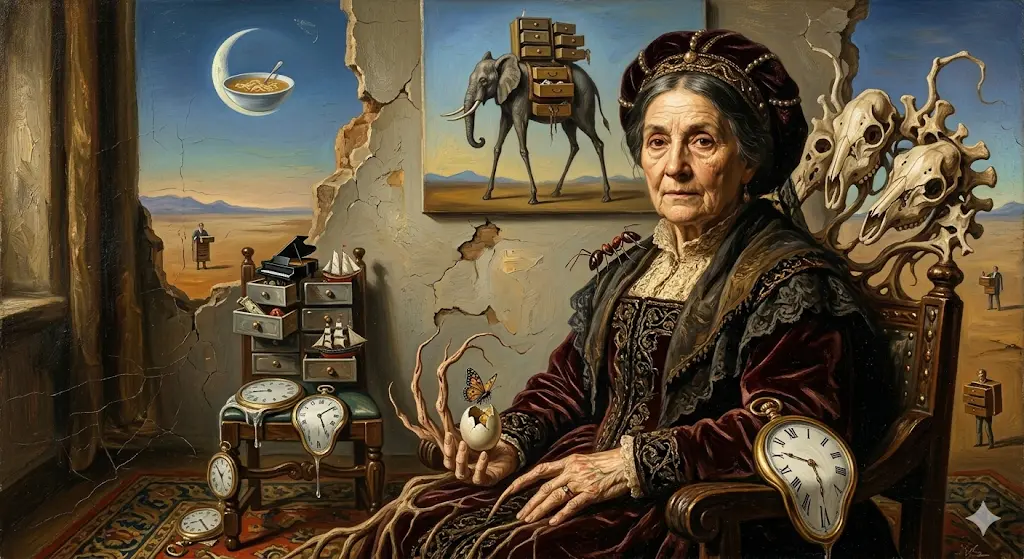
AI is naturally gifted at Surrealism because its neural networks can blend disparate objects into a single, dreamlike entity. When prompting for surreal art, focus on juxtaposition and dream-logic. Use keywords such as “Ethereal atmosphere,” “Metaphysical painting,” or “Non-Euclidean geometry.” This style is perfect for creating visuals that challenge the viewer’s perception of what is real.
3. The Neon Future: Cyberpunk and Synthwave
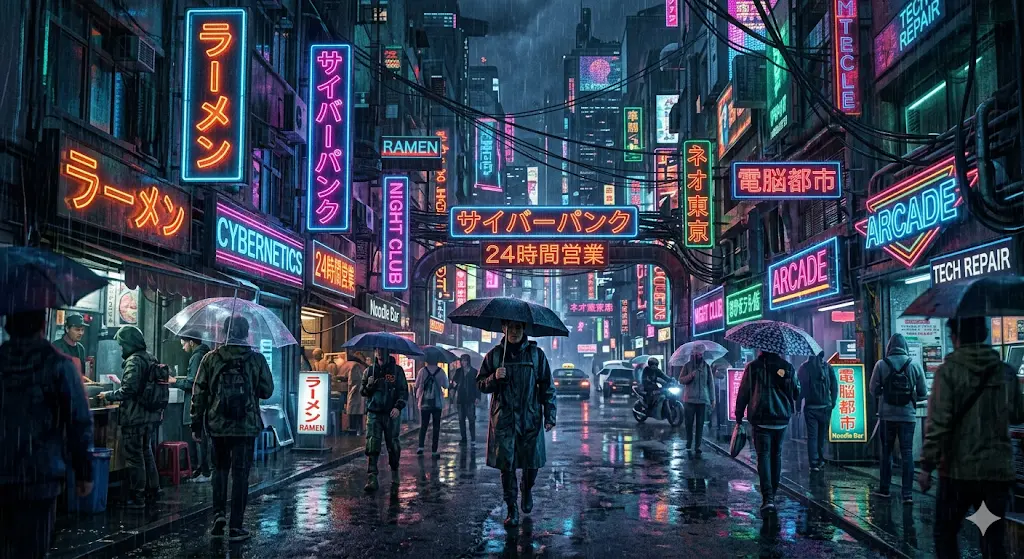
In contrast to the classics, the Cyberpunk aesthetic is dominated by high-tech, low-life themes and vibrant artificial light. To master this style, you must focus on specific environmental cues that define the genre:
- Neon Saturation: Explicitly ask for “Magenta and Cyan lighting” or “Electric blue accents.”
- Weather and Reflection: Use “Rain-slicked asphalt” and “Mist” to enhance the reflection of neon signs on every surface.
- Retro-Futurism: Mentioning “80s sci-fi aesthetic” adds a layer of nostalgia that gives the image more personality.
4. Minimalism vs. Maximalist Detail
Understanding the “density” of your art is vital. Minimalism requires clean prompts, focusing on white space, negative space, and simple geometry. Conversely, Maximalism (or Baroque-futurism) thrives on “intricate detail,” “hyper-ornamentation,” and “complex textures.” Knowing when to use each will help you maintain a consistent professional portfolio.
By blending historical artistic techniques with futuristic technology, you create a unique visual language that stands out in the crowded world of AI art. We invite you to explore our specialized categories at FactorPrompt to see these art movements applied to real-world prompts!