
Digital Fashion: Textures, Fabrics, and High-End Couture in AI
The intersection of fashion and Artificial Intelligence has created a new frontier for designers. In the virtual world, the physics of fabric and the intricate details of textiles are no longer limited by production costs. At FactorPrompt, we focus on the technical vocabulary needed to simulate luxury materials with absolute realism.
1. The Micro-Language of Textiles
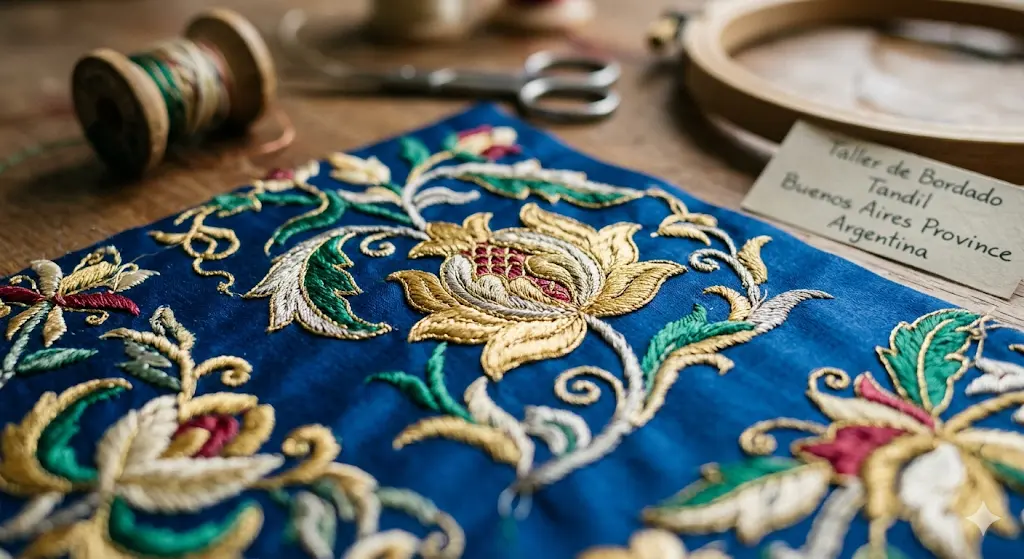
To achieve professional fashion renders, you must specify the weave and weight of the fabric. Generative models respond incredibly well to technical textile terms. Instead of “soft clothes,” use specific descriptors to guide the AI’s internal texture engine.
- Luxury Fabrics: Use “Mulberry silk,” “Heavyweight velvet,” or “Intricate Chantilly lace” for elegant, high-end looks.
- Structural Materials: Terms like “Stiff organza,” “Architectural neoprene,” or “Twill weave” help the AI understand how the garment should hold its shape.
- Surface Finishes: Add keywords like “Iridiscence,” “Iridescent sheen,” or “Matte finish” to control how light interacts with the clothing.
2. High Fashion and Avant-Garde Concepts
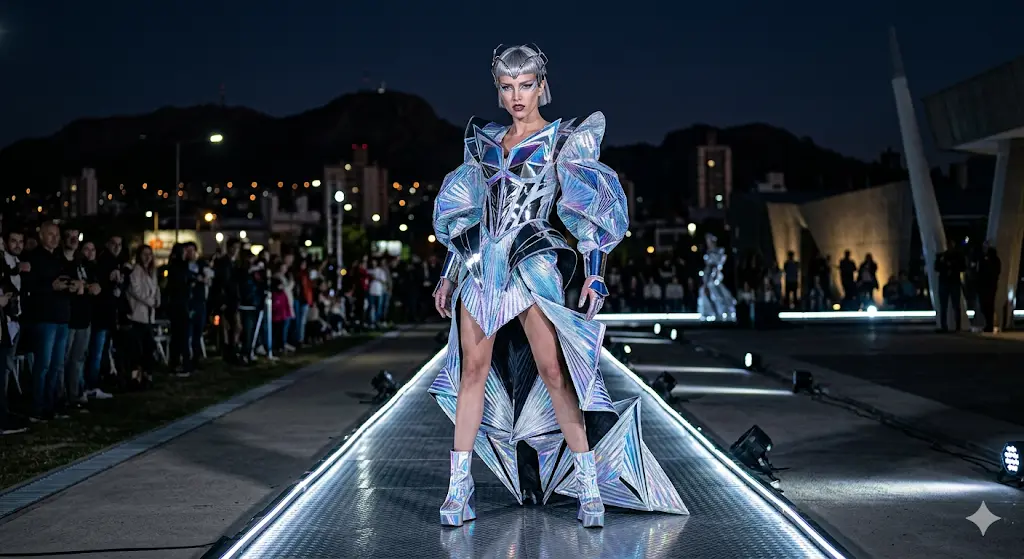
AI excels at “Experimental Couture.” By referencing movements like Futurism or specific designers’ aesthetics, you can push the boundaries of traditional garment construction. Prompts that include “Avant-garde silhouette,” “Asymmetrical draping,” and “3D printed fabric elements” produce results that look like they belong on a Paris runway.
3. Techwear and Technical Materials
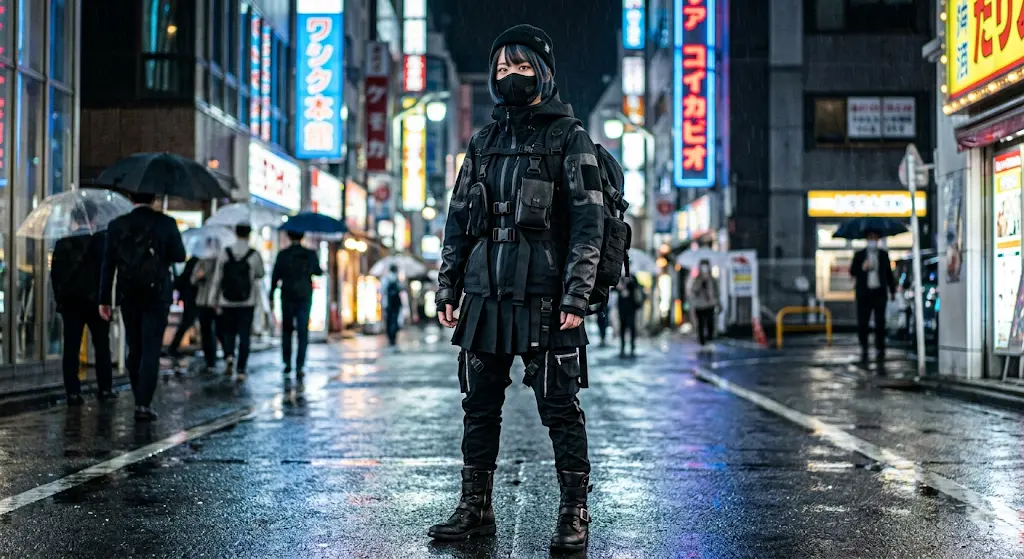
Beyond luxury, the Techwear aesthetic is a fan favorite in the AI community. This style relies on the contrast between functional materials. Use keywords like “Gore-Tex texture,” “Nylon webbing,” “Tactical straps,” and “Water-repellent surfaces” to create complex, multi-layered outfits that feel rugged and realistic.
4. Lighting for Fashion Photography
A great outfit needs the right studio setup. To showcase digital garments, use “High-key lighting” for a clean, commercial look, or “Rim lighting” to highlight the edges and silhouette of the fabric. Mentioning a “Vogue-style editorial spread” or “Hasselblad 100MP photography” will add that final layer of professional polish to the render.
Digital fashion is about more than just clothes; it’s about the tactile sensation of the image. By mastering textile prompting, you can create virtual wardrobes that are indistinguishable from reality. Explore our fashion-focused categories at FactorPrompt and start designing your future!