
Epic Landscapes: Mastering Weather, Scale, and Natural Beauty
Creating landscapes in AI is a journey through scale and atmosphere. While a simple prompt might give you a generic view, mastering Environmental Prompting allows you to control the very elements of nature—from the humidity in the air to the geological age of the mountains. At FactorPrompt, we focus on the technical cues that make a digital world feel infinite.
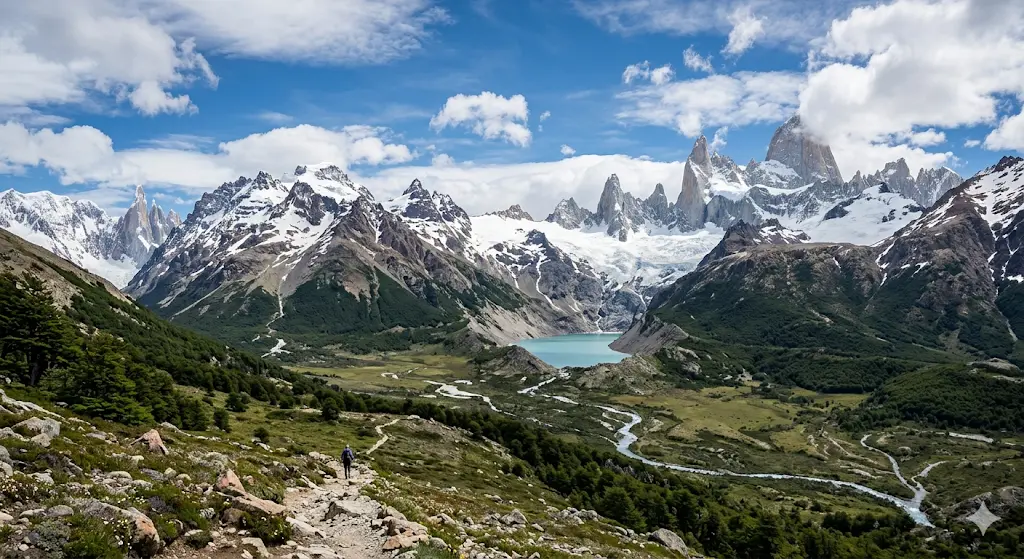
1. Establishing Scale and Depth
The most common mistake in AI landscapes is a lack of depth. To make a scene feel “epic,” you must define the Foreground, Midground, and Background. Using keywords like “Vast horizon,” “Epic scale,” and “Atmospheric perspective” tells the AI to create layers of distance. Adding a “lone traveler” or a small structure can provide a human reference point that emphasizes the colossal size of the environment.
2. Weather Systems and Atmospheric Lighting
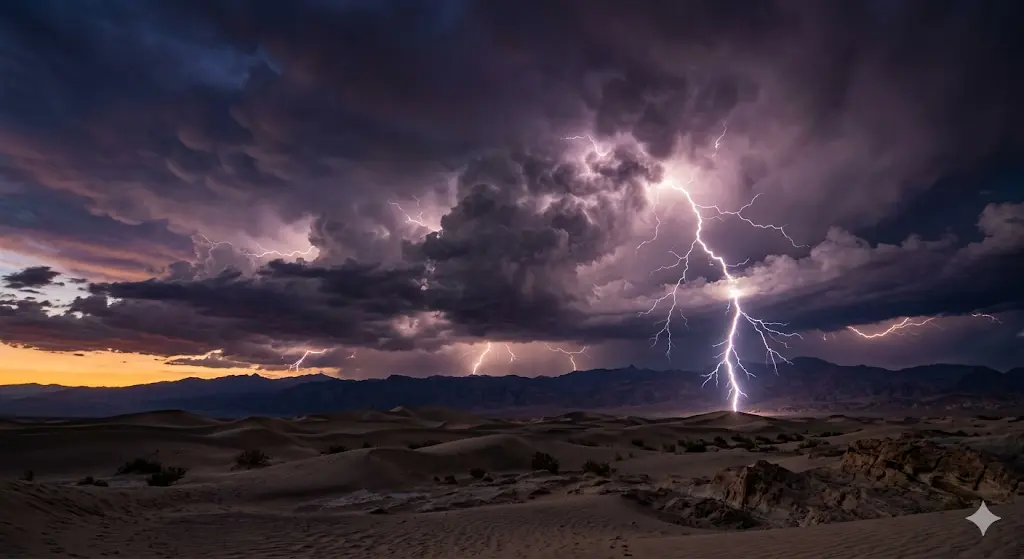
Nature is never static. To give your renders life, you must simulate dynamic weather conditions. At FactorPrompt, we use specific environmental modifiers to set the mood:
- Golden Hour and Blue Hour: For that perfect cinematic lighting that professionals wait hours for in real life.
- Overcast and Foggy: For a moody, Nordic, or mysterious atmosphere that emphasizes silhouettes.
- Cinematic Storms: Use “Cumulonimbus clouds,” “Fork lightning,” and “Heavy precipitation” to add energy and drama to the scene.
3. Geological Accuracy and Flora
The AI knows the difference between various biomes if you provide the right vocabulary. Instead of “forest,” specify “Ancient temperate rainforest” or “Boreal taiga.” Instead of “rocks,” use “Jagged basalt columns” or “Eroded sandstone formations.” This level of detail forces the model to pull from higher-quality training data, resulting in a more realistic and unique output.
4. Water Physics and Reflections
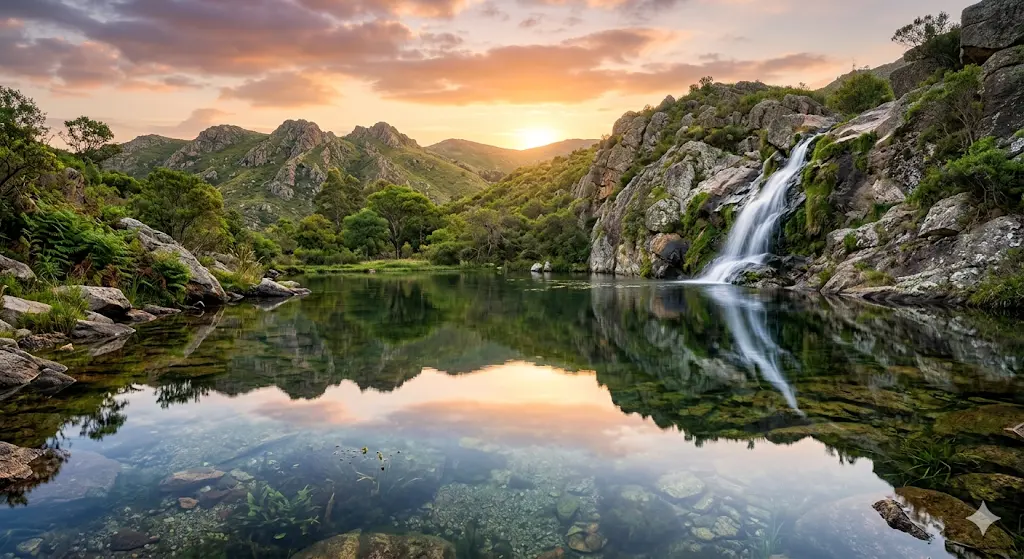
Water is a key element in landscape art. To master it, you must describe its state: “Crystal clear alpine lake,” “Churning ocean waves,” or “Mirror-like surface.” Adding “Planar reflections” or “Ray-traced water ripples” ensures that the lighting from your sky interacts correctly with the liquid surfaces, creating a cohesive and believable world.
Landscapes are the ultimate test of an AI artist’s ability to balance composition and light. By mastering these environmental controls, you can create windows into worlds that have never existed. Explore our landscape categories at FactorPrompt to find more inspiration for your next epic render!