
Choosing the Right Lens and Camera Angle for AI Art
In the realm of AI-generated art, the “camera” is not a physical tool but a mathematical perspective controlled by your language. Understanding how to simulate virtual focal lengths and camera angles is the key to transforming a flat generation into a professional cinematic render that looks like a high-budget film frame.
1. The Impact of Focal Length (mm) and Bokeh
Just like in real-world photography, the lens you choose in your prompt dictates the relationship between the subject and the background. At FactorPrompt, we classify lenses into three essential categories to help you control visual focus:
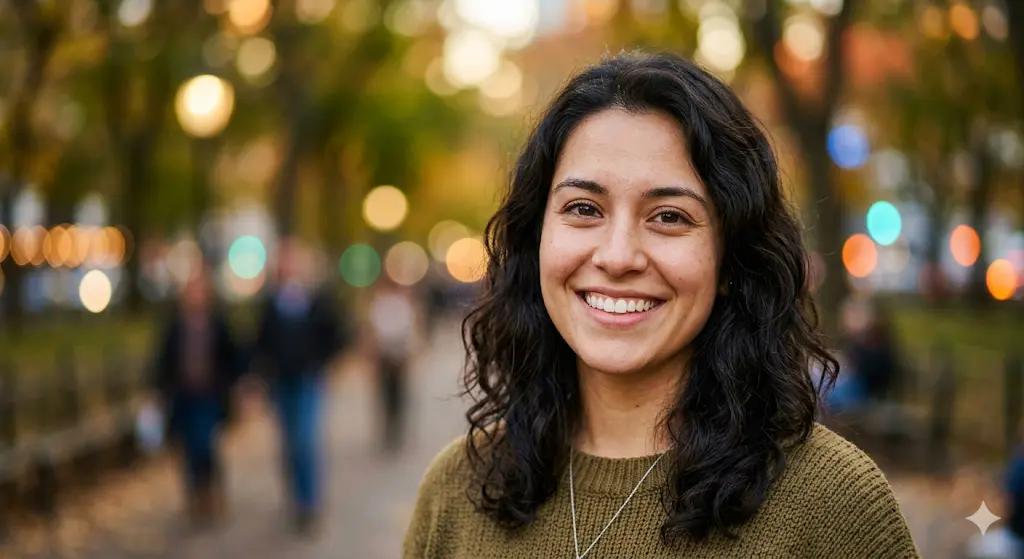
- Telephoto Lenses (85mm, 135mm, 200mm): These are the gold standard for portraits. They compress the background and create a creamy bokeh effect, making the subject stand out with clarity.
- The Nifty Fifty (50mm): Known as the “standard lens,” it mimics the human eye’s field of view, providing a natural and realistic feel to any scene.
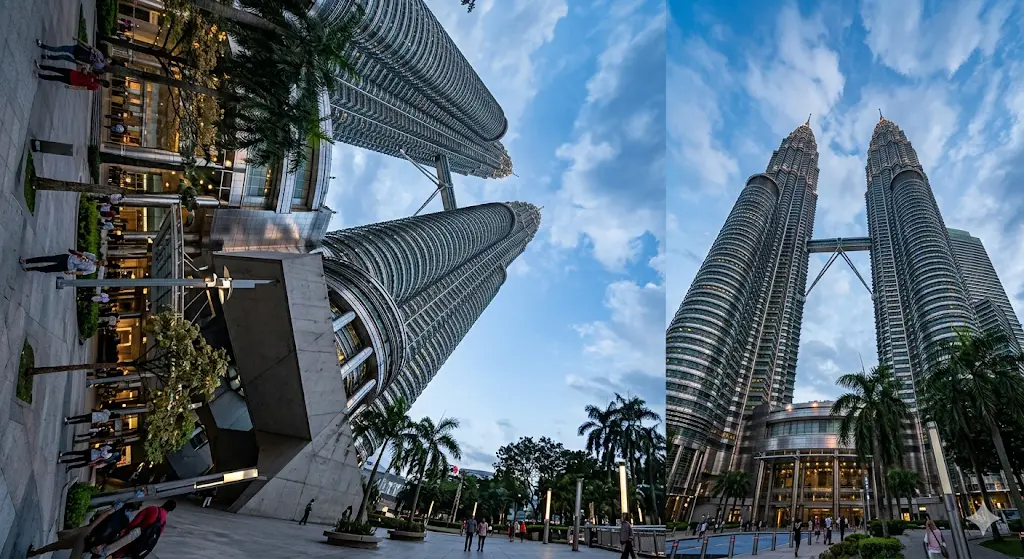
- Wide-Angle Lenses (14mm, 24mm, 35mm): Essential for architectural visualization and epic landscapes. These lenses capture more of the environment but can introduce slight edge distortion for a more immersive feel.
2. Mastering Camera Angles for Narrative Power
The position of the observer changes the psychological impact of the image. By explicitly defining the camera’s position, you dictate how the viewer perceives the subject:
- Low Angle Shot: Placing the camera below the subject makes them appear powerful, heroic, or even intimidating. It is widely used in cinematic character design.
- High Angle Shot: Looking down at the subject can make them appear vulnerable or emphasize the vastness of the floor and surroundings.
- Eye-Level Shot: Creates a sense of neutral realism and direct connection, perfect for documentary-style AI art.
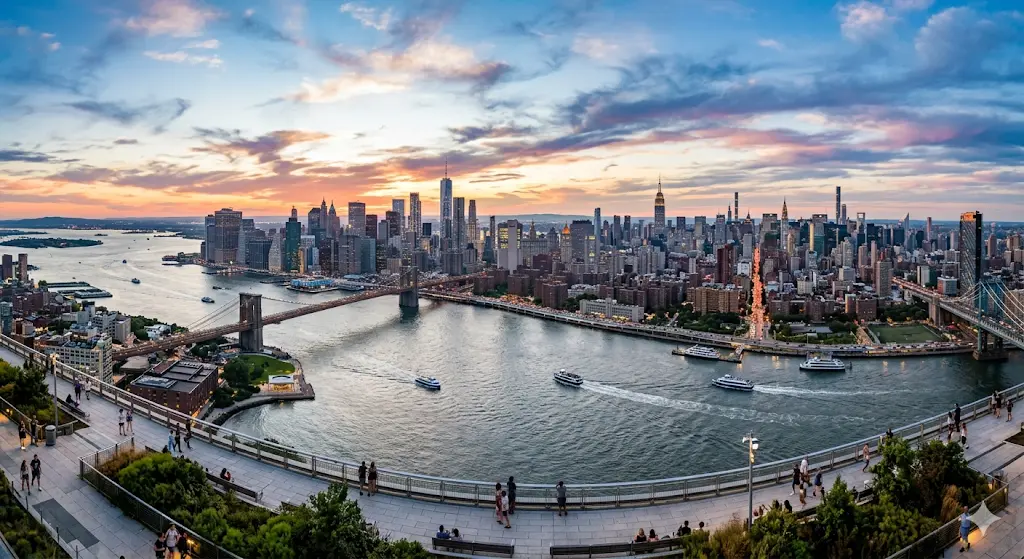
- Bird’s-Eye View: An extreme high-angle shot directly from above, ideal for complex textures and symmetrical layouts.
3. Aperture and Depth of Field (f-stop)
Even though AI doesn’t have a physical diaphragm, it understands the visual language of Aperture. Using keywords like “f/1.8” or “f/2.8” tells the engine to simulate a shallow depth of field. Conversely, using “f/11” or “f/16” will ensure the entire scene, from the foreground to the horizon, remains in sharp focus.
4. Advanced Cinematic Lighting and Film Stock
To finalize your cinematic prompt, you can specify the “film stock” to add texture and grain. Combining a 35mm lens prompt with “Kodak Portra 400” or “Fujifilm Velvia” will give your images a nostalgic, analog warmth that digital-only prompts lack. Mentioning “Anamorphic lens flares” will also provide that ultra-wide cinematic look found in Hollywood blockbusters.
By mastering these optical principles, you stop being a simple prompt user and become a Virtual Cinematographer. The precision of your lens choice and camera positioning is what defines the professional quality of your portfolio.
We invite you to test these focal lengths in your next project and explore our curated categories at FactorPrompt to see these principles in action!